

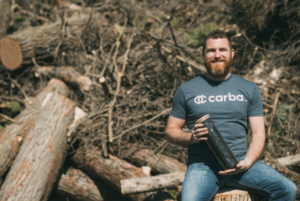
While we work every day to help scale climate mitigation solutions at Evergreen, we also recognize the global climate landscape. Unfortunately, we’re on track to overshoot Paris Agreement goals – we’re going to blow past 1.5 degrees celsius of warming and it doesn’t look like we’ll collectively be able to limit things to 2 degrees either. In this impending overshoot world, we will need scaled solutions to remove the carbon we’ve already emitted. And we believe that one of these solutions comes from the Minnesota-based startup Carba, one of our most recent investments.
At Evergreen, we believe any carbon dioxide removal (CDR) approach needs to clear four bars to be successful. It needs to be cheap enough that buyers can afford it at volume. It needs to be durable enough that the carbon stays put for centuries, not seasons. It needs to be measurable, so claims can be verified rather than assumed. And the process needs to be scalable such that meaningful volumes can be attained (while still satisfying the “cheap” requirement). Cheap. Durable. Measurable. Scalable. Bonus points if there are co-benefits and other upsides to the approach.
Carba takes a unique but simple approach to low-cost, high durability carbon removal. Their approach combines two established CDR methodologies: biochar and biomass burial–each with certain concerns on their own. Biochar is a great way to stabilize biomass, but when used as a soil amendment, as it typically is, exposes the biochar to microbes, moisture, and oxygen that cause at least a portion of the biochar to decompose in a matter of years or decades. Meanwhile biomass burial, though cheap and scalable, also suffers from questionable permanence as the biomass is likely to decompose over time despite being isolated in a low-oxygen environment.
Carba processes wood waste into solid, stable biocarbon via low temperature pyrolysis, and then buries it in an environment where it remains stable for 1,000+ years, creating a highly durable, low-cost carbon removal pathway, certified by the registry Isometric. Interestingly, the biocarbon they produce is similar to coal. The Carba team likes to think about what they do as “reverse coal mining”, noting that for 200 years humans have been digging up fossilized carbon and burning it, “and we’re getting paid to put it back.” Alternatively, the company can also sell its biocarbon for use in industrial products like tires, asphalt, and filtration media.
Carba’s secret sauce is in their proprietary reactor that uses molten salt to evenly and efficiently pyrolyze biomass into biocarbon at unusually high yields, resulting in a lower cost per ton than traditional biochar. Rather than operating a large, centralized facility that would require them to truck heavy, wet biomass long distances, Carba’s reactor is designed to be modular and mobile, allowing them to colocate at or near the biomass supply and/or the burial site to help keep costs low. Its first reactor is now operating at a landfill in Burnsville, MN, where the biocarbon they produce is periodically layered in with the waste as it piles up. In addition to permanently sequestering carbon, the biocarbon offers other benefits to landfill operators by acting like an activated carbon filter, absorbing PFAS, mercury, lead, and other toxins often found in landfills.
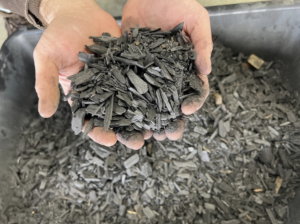
Today, the field of carbon removal is nascent, but growing rapidly, with carbon removal project capacity increasing 20X from 2023 to 2025. The same can be said for Carba – they have moved rapidly from lab scale to deploying their first carbon removal project, which has led to carbon removal purchases from Microsoft and others.
In a business with significant logistical complexity, the ability to execute matters. We believe Carba co-founder and CEO Andrew Jones and his team will continue to execute at a high level. We are excited to be part of Carba’s journey as they grow to gigaton-scale carbon removal and supply the world with the tools we need to make a real impact on climate change.